
A teaching journal from Torch & Trowel
RSS feedField Notes
Help for the lesson you are teaching: the drawing idea behind each unit, and words you can use without taking over the page.

Featured essay Teaching philosophy
Why blank pages freeze beginning artists.
A blank page looks simple to an experienced artist. To a beginner, it can feel like being asked to solve every drawing problem at once.
Read the essayEssays
Longer pieces for the parent deciding how to teach drawing at home.
How to Teach Drawing at Home When You Can't Draw
You don't need to draw to teach drawing. Here's what a non-artist homeschool parent actually does at the table: watch, ask, and hand back the pencil.
Printable Drawing Lessons for Middle School: What to Look For Before You Print
How to tell a printable drawing lesson that builds skill from a coloring page, and what a good middle school sequence looks like.
Homeschool Art Credit for High School: How Families Document It
How homeschool families document a high school art credit: hour logs, a dated portfolio, and a transcript description. Check your state's rules.


The units
One note per Field Kit unit: the drawing idea behind it, and what to watch for.
Why the first lesson starts with lines.
Before a student can draw a convincing object, they need to feel what a pencil can do. Lines in Control starts there: simple marks, clear practice, and visible progress.
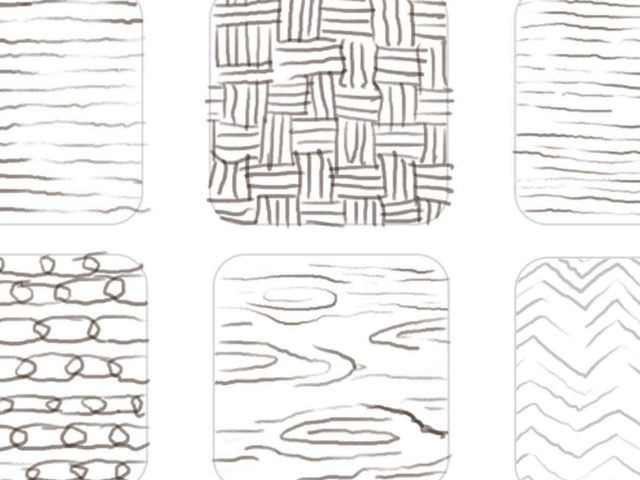
The lesson that teaches students to look before they draw.
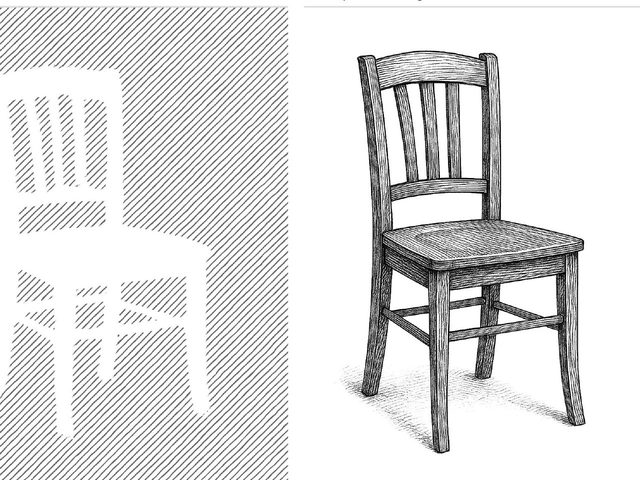
Seeing Empty Space gives students a concrete way to observe. Instead of guessing what an object “should” look like, they learn to notice the shapes around it.
What to do when the drawing feels too big.
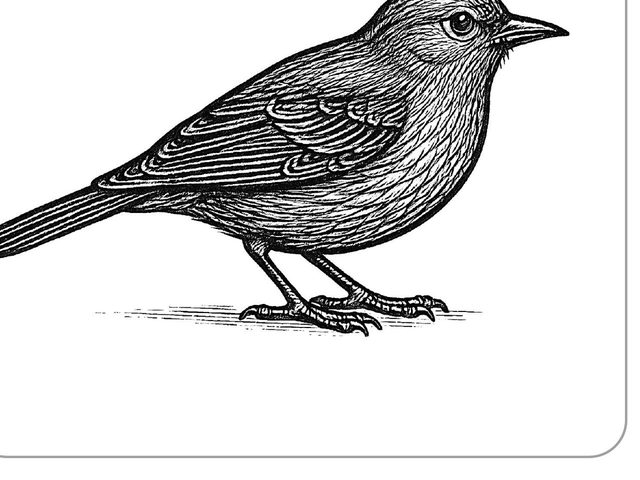
Building Simple Shapes teaches students to stop wrestling with the whole object at once. They learn to find the basic shapes underneath the subject and begin there.


At the table
Short fixes for the moment a lesson stalls. Each one ends with words you can use.
When a student says, “I can’t draw.”
Treat “I can’t draw” as a signal that the task feels too big. Shrink the next move until the student can begin again.
“Let’s not decide if the whole drawing is good. Point to one line you can make more intentional.”Read the note
When the worksheet gets rushed.
Finishing every box quickly is not the same as practicing. Use one repeated box to slow the lesson down without making it feel like punishment.
“You finished the page. Now let’s choose one box and make a slower version so your hand can catch up with your eyes.”Read the note
How to help without hovering.
The support guide should help you notice what to say next, not turn you into a constant commentator.
“I’m going to let you work for a few minutes. If you get stuck, I’ll help you look at the guide.”Read the note
Why the early lessons do not need rulers.
A ruler can make a line straight, but it cannot teach the student to control pressure, direction, rhythm, or confidence.
“The goal is not a machine-straight line. The goal is a line your hand meant to make.”Read the note
When circles on cups look wrong.
Openings on cups, bowls, and jars often look odd because students draw the symbol of a circle instead of the shape they actually see.
“Do not draw the idea of a circle. Look at the opening and draw the shape it is making from where you sit.”Read the note
Use it today